Why The Comparison is Confusing
At a glance, ebikes and emotos look similar. Some emotos (or their riders) blur the lines by adding pedals or shaping the frame to resemble an ebike. At the same time, many ebikes borrow motorcycle-inspired styling, even if they fully meet ebike regulations.
Despite the visual overlap, there’s an important legal and functional distinction between the two. In this article, we’re breaking down what defines an ebike in the eyes of the law, not what people casually call them, and where emotos fit into the picture.
What Is an Ebike?
An ebike is a pedal-assisted bicycle designed to supplement human power, not replace it. Ebikes are legally defined and regulated in most U.S. states, with clear limits on things like motor power, top speed, and throttle behavior.
In the United States, the most widely adopted framework is the 3-Class Ebike System, currently recognized by 36 states. That’s the system we’ll focus on here – but always check your local regulations before riding. Laws can vary by state, county, and even trail system, and the last thing we want is for your ride to end with a ticket or an impound.
The U.S Ebike Classification System (Classes 1-3)

Why the Class System Exists
The ebike class system was created to keep ebikes closely aligned with traditional bicycles. By limiting speed, power, and when motors are controlled, ebikes can safely share existing bike infrastructure like bike lanes, paths and certain trails.
This also means ebike riders don’t have to follow motorcycle regulations such as licensing, registration, insurance, or DOT approved equipment requirements. As a result, ebikes are a popular choice for commuting, recreation and fitness while offering a low barrier to entry.
Each class, however, comes with its own rules.
Class 1 Ebikes - Pedal Assist Only
Class 1 ebikes provide motor assistance only while actively pedaling. Assistance stops if you stop pedaling, or once you reach 20 mph. These bikes do not have a throttle.
Class 1 Classification:
- Pedal assist only
- 20mph assistance cap
Because they behave most like traditional bicycles, class 1 ebikes are commonly allowed anywhere bikes are permitted, including bike paths, streets, and mixed-use trails (that allow ebikes).
They’re typically used for commuting, fitness riding, and recreational trail riding.
Class 2 Ebikes - Throttle Assist (Limited)
Class 2 ebikes introduce one of the biggest sources of confusion. These bikes are allowed to use a throttle, meaning they can provide power without pedaling. However, motor assistance is still capped at 20 mph, which keeps them within the ebike category.
Class 2 Classification:
- Throttles are allowed to provide power without pedaling
- Motor assistance is capped at 20 mph
While class 2 ebikes are legally ebikes, the presence of a throttle means they’re sometimes restricted on bike paths or mixed-use trails, depending on local rules. This varies widely by location, so it’s worth checking before you ride.
Class 3 Ebikes - Throttle and Pedal Assist
Class 3 ebikes provide pedal assistance only up to 28 mph. This higher assisted speed puts them in a more regulated category, especially on public infrastructure.
The rules of Class 3 ebikes varies by state, however the official classification is:
- Pedal assist is allowed up to 28 mph
- Riders must be at least 16 years old (or older in some states)
- A speedometer is mandatory
- In some states, class 3 ebikes are not allowed to have throttles
Because of their higher speeds, class 3 ebikes are often restricted from bike paths and mixed-use trails, but they are typically allowed on streets and in bike lanes, like other types of ebikes.
TL;DR - Key Limitations of Ebikes
The key takeaway here is that ebikes are restricted to these overall regulations:
- Must have functional pedals
- Motor must be capped at 750W
- Max throttle-powered speed is 20 MPH
- Max pedal-assisted speed is 28 MPH
If any component of the bike exceeds these limitations, it is no longer considered an ebike, regardless of how it is marketed.
What is an Emoto?
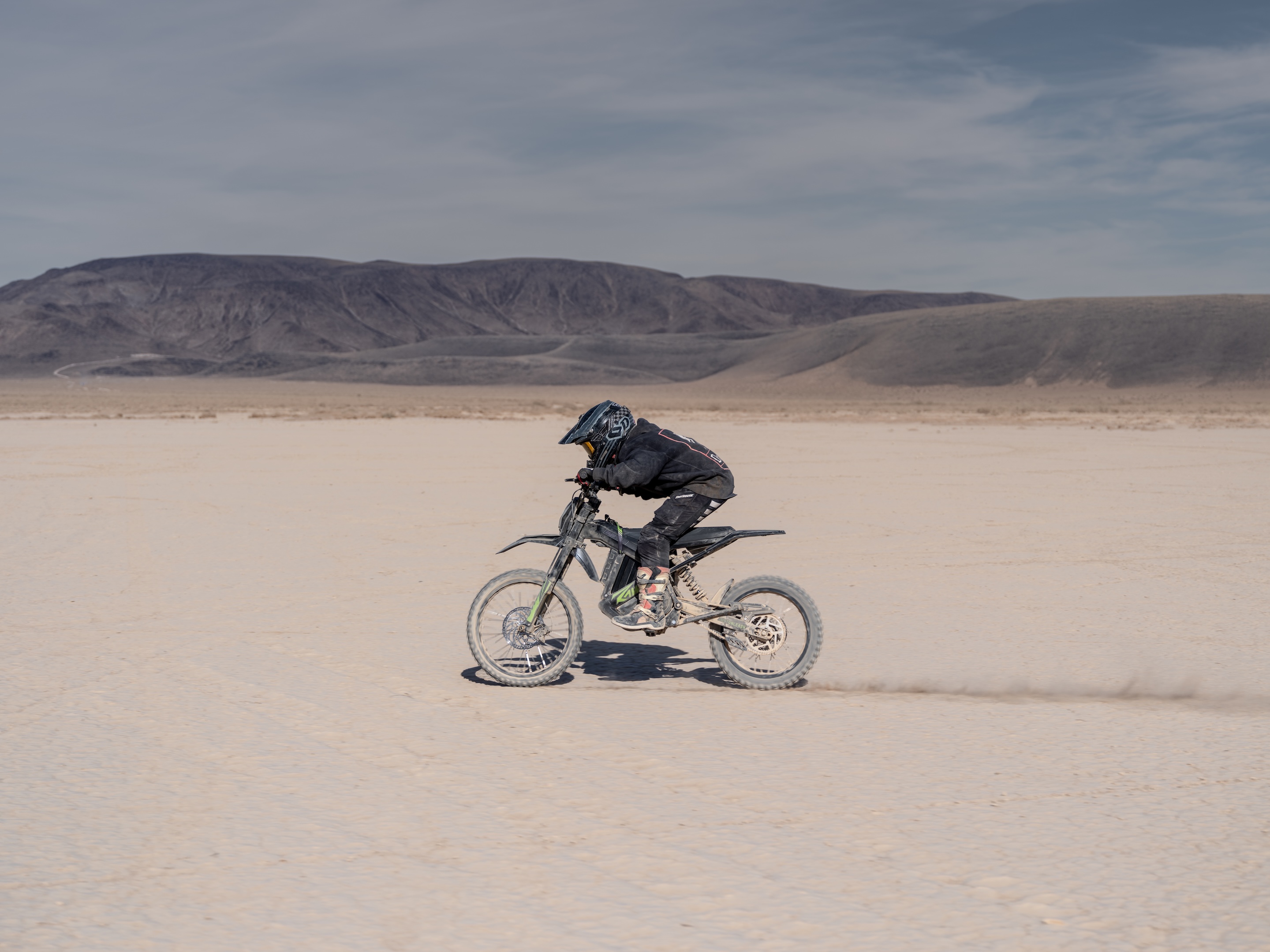
Emotos, also known as electric motorcycles or electric dirt bikes, are not regulated as ebikes. They are designed as electric motorcycles, capable of operating entirely without pedaling and without the power and speed restrictions applied to ebikes.
Emotos commonly exceed 28mph, with many capable of 65 mph or higher. While a small number of emotos are street legal, the vast majority are purpose built for off-road use. These are the emotos we’re referring to here.
They’re designed to be ridden on:
- Private property
- OHV trails
- Motocross tracks
- Designated off-road areas
Core Characteristics of Emotos
Emotos are high-performance electric dirt bikes, built for demanding terrain and aggressive riding.
Compared to ebikes, they offer:
- Significantly higher power output
- Throttle-driven performance
- Motorcycle-grade suspension and braking systems
- Reinforced frames designed for jumps, impacts and rough terrain
The best emotos use durable, lightweight materials like aircraft-grade 6061 aluminum, allowing them to stay far lighter than gas motorcycles while remaining extremely capable off-road.
Why Emotos are not Ebikes (Even if They Look Similar)
Because emotos are not bound to ebike regulations, they exceed ebike limits in nearly every category:
- Power output
- Top Speed
- Weight and structural strength
- Component Durability
Adding pedals does not make a bike an ebike. Classification is based on performance and intent, not appearance. Even if an emoto includes pedals, or offers a pedal kit, it must still meet the requirements of one of the ebike classes to be legally considered an ebike.
Why the Distinction Matters
Clear classification protects the future of electric riding. Mislabeling emotos as ebikes can:
- Put trail access at risk
- Create safety concerns
- Confuse riders and regulators
- Lead to restrictive laws that impact everyone
Respecting the difference helps keep trails open, riders safe, and the industry moving forward.
Final Takeaway
Ebikes and emotos serve very different purposes. Ebikes enhance the cycling experience and expand access to bike infrastructure. Emotos are electric dirt bikes, built for off-road expiration, technical terrain, and high-performance riding.
If you’re looking to push further into the outdoors, tackle rougher trails, or experience the thrill of electric torque without compromise, emotos open up a whole new category of adventure.
Understanding the difference helps protect access, set expectations, and keep riding fun for everyone. If you know someone who’s still mixing up the two, share this article and help keep the future of electric riding wide open.